19/6/2019 Day 23- While the box was crafted and done, I moved on to the wall paintings themselves. The first projected dimensions for the cardboard cue-card (10.5mm-15.5mm) fitted suitably for the printed text and image. However, during the first trial of pasting the text and image onto the card board, I had used white craft glue. This led to the paper to deteriorate after absorbing the water content of the glue, leading to a distorted image.
To correct the unforeseen issue of using white glue, I removed the already pasted images with the use of a box cutter. Then, reprinting the same image and instead used double sided tape as the choice of adhesive. Resulting in the image appearing as originally intended during conceptualization as well as being more attractive as a whole.
As per the recommendation of Ms. Chee’s consultation, I built a small a frame to replace the previous yellow box used for holding the Roman wall paintings. The new frame will allow for a more attractive view on the “cue-cards” as well as keep it in a fixed position for improved transport.
14/6/2019 Day 18- Woke up after 4 hours from the previous night’s work, started on the first artwork, the 4 styles of Roman wall paintings. The 3 dimensional piece will be a small box consisting of 4 cardboard pieces. An example artwork of the corresponding style will be placed on 1 side and a brief history and description of the style on the other side. For the box I had chosen to use a spent tissue box to fit the criteria of using recycled material.
After having more time for brainstorming a space efficient design, I had concluded to use only half the box for creating the final piece. As indicated by the images above, I drew an outline for my cut beforehand, in prevention of any avoidable mistakes.
The remaining piece of the cut box seemed too thick in width, occupying excess space that may obstruct other artworks in the future. Additionally, the exterior of the box proved difficult to color with the use poster colors due to its glossy texture and already present layer of color. As a solution, I turned the box inside out and painted the new exterior a shade of yellow.
13/6/2019 Day 17- It’s 11 p.m., I’ve got the diorama box in hand, with intent to lay down a solid color for replacing the dull cardboard brown. Initially decided with a white marble paired with black faux finish. However, that meant that I’d would have to learn and apply basic techniques of creating faux finishes. From the start, the concept of learning the new skill came as a clear challenge.
Decided to test the shade and intensity of the poster color on spare cardboard before using on the diorama box. First trial (left) appears too light, added more poster color to less water a to create the second trial (right). With the deeper shade of white, I started coloring in the diorama box.
With the box’s bases and walls colored in (above) I’d try my hand at painting the faux finishes after viewing some examples and methods online. Despite my efforts, I regrettably had to scrape the idea of using a faux marble design, seeing how creating the simple patterns were easier said than done.
First attempt .
First, Second, and Third sets of trials.
While the fourth and fifth trials seemed passable, I had rather resort to the base white finish.
Within the realm of Roman wall painting there exists 4 styles of design that possess subtle differences that may seem non-apparent to the untrained eye. Some could even be dated before the existence of the Roman Empire itself, during the Greek Empire. The ability to study and learn from wall painting samples could only have been granted by the eruption of Mount Vesuvius. It’s abrupt eruption scattered large sums of ash across and inside the buildings and homes of the nearby city, Pompeii. Said ash provided defense for the walls against the test of time and the elements. August Mao, a German scholar of the 1800s should also be properly accredited for his work in classifying and clarifying the features of each style. (Ambler, J 2018)
The Incrustation Style
Also referred to as the “Masonry Style”, this form of wall painting was dated furthest back, from 300 B.C.E. during the era of the Alexandrian Library. Mostly composed of shiny faux marble, similar to some modern counter tops, with very simple designs and shapes. Such can be attributed to their lack of development during its existence.(Ambler, J 2018) However, they were painted to create an illusion of tangibility, with its edges forming a bevel shape with colored strokes on the insides. These strokes are identified as “marbleizing” effect, which was well known for incidentally creating claustrophobic environment. (The Four Styles of Roman Wall Paintings, 2018)
The Architectural Style
Villa of P. Fannius Synistor at Boscoreale, 50-40 BCE
Villa of P. Fannius Synistor at Boscoreale, 50-40 BCE
Between the first and second styles, a shift in principles of design can be noted, with the second style utilizing perspective at a more advanced level of expertise. This style of wall painting is also referred to as the “Illusionistic style”, for its clever use of large vertical objects made smaller due to perspective, thus creating a false sense of 3-dimensional space. Structures like those of villa homes and tall columns contrast with one another at different distances to help create a more open and widened room. Themes include Greek life as well as high culture of Roman society, as to make the interiors of a building appear more sophisticated. (Jay, 2009)
The Ornamental Style (Jay, 2009)
With the end of the Architectural Style’s era came another shift in design for Roman Wall Paintings. Instead of furthering the use of perspective, the Romans had phased its use out almost completely. Returning to a flat, single dimensional ambiance but with a greater quality of art compared to the Incrustation style. Ornamental wall paintings also featured unrealistic and disproportionate architecture, with columns thinner than human torsos and physically impossible constructs. To summarize, by the time of 20AD, Roman artisans grew increasingly experimental in design and idea, and thus had to ignore the physics of reality to creatively expressed their vision.
The Frescoes Of Pompeii
The Intricate Style (Ambler, J 2018)
The final and most complex among all the styles Romans utilized was the Intricate Style, which was dated up to the eruption of Mount Vesuvius’. As the name states, this style of painting requires precise detailing due to its relation to the other styles. The Intricate Style can be summed up as an amalgamation of the three previous styles, incorporating their individual principles to form a new style. In general, the Intricate Style utilizes the faux-marble bevels from the Incrustation Style, the detailed architectural features and illusion of depth of the Architectural Style, and lastly, the themes of the Ornamental Style.
3/6/2019 Day 7- Once more, just left work. Needed to do research for diorama content. Took up the task of printing the background (Mosaic) and wall paintings. Background should be at least 42cmX15cm to accommodate for the brief summary of Mosaics in Roman Artistic culture. I remain undecided on the topic of wall paintings, as I may or may not chose to utilize all 4 styles of wall paintings.
Mosaics Research (Cartwright, M 2013)
opus tesellatum, or Roman mosaics, are composed of 0.5mm to 1.5mm colored tiles. With some utilizing 1mm tiles for greater detail or “resolution”, at the cost of greater difficulty and work time needed. The tiles, tesserae, could be made from marble, glass, or even animal shells. The tesserae would then be assembled on fresh mortar with as little gaps as possible, then grouting would take place to fill any gaps that may have been left behind. Lastly, the entire image will then be polished to form its cleaned look.
Like all forms of art, mosaics evolved around its practitioners’ culture, in this case being the Roman’s. As time went on Mosaics increasingly portrayed aspects of Roman culture, such as bathhouse scenes or marine life. New styles also occurred with more artists learning the trade of constructing mosaics, forming them with repeated shapes and designs to create floor designs.
1/6/2019 Day 5- Just got off work, needed to write the report for the previous night’s meeting.
Members present: Max, Jeff, me
Topic: Diorama setup
We thought we should at least wait for our 2 other teammates, but with no response, we went on without them. I suggested we pick our background first, as that would likely be the first aspect to build up on. I recommended either using Roman wall paintings or mosaics, we voted on mosaics for a more aesthetic design.
Moving on, the base came in question. Jeff suggested a “sandy floor” texture printout. I mention that slaves would have clean the floors and he retracted the idea. I imagined a more color based design, like red and yellow, in reference to the most identifiable colors of a legionnaire.
29/5/2019 Day 2- After class, aspects of the Mesopotamian and Egyptian era gave a broader horizon as to what could be explored and expressed in depth for the diorama.
Subject matters portrayed by artworks.
Religious, polytheistic artwork.
Decorative art (mosaics, jewelry).
Sculpting, free-standing and relief.
Imitation and Emulation
Due to the Roman Empire’s attention being preoccupied with war and survival during the early stages of its existence, it could not fully develop its own artistic culture or any independent culture of any kind. As substitute, the Romans recycled and reused any Greek artistic principles as their own. However, this resulted in an inferiority complex, leading to the high demand of Greek artwork and original Roman artwork to seem pale in comparison. Even famous Roman artworks took immense inspiration from Greek principles of design.
Types of Roman Artwork
Architecture, undoubtedly the most significant aspect of Roman artwork. Which still remains relevant today, its effect on modern designs are very apparent.
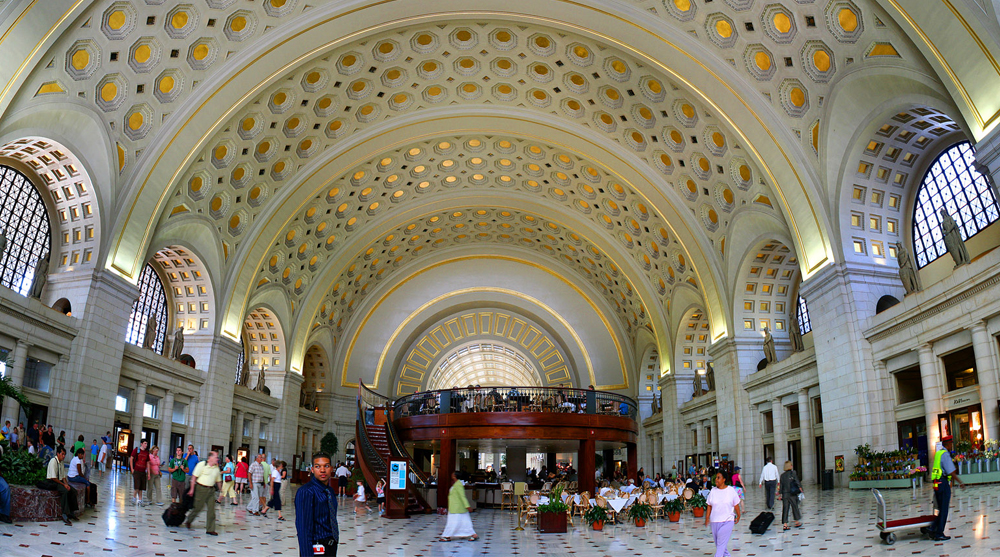
(How Roman architecture influenced modern architecture, none) Union Station, Washington D.C. featuring dome arches that were most utilized by the Romans in their cities’ drainage system.
Paintings (Roman art 2019), more specifically landscape painting, in which the Romans innovated in. Landscape painting could be considered the few original artworks of the Roman Empire.
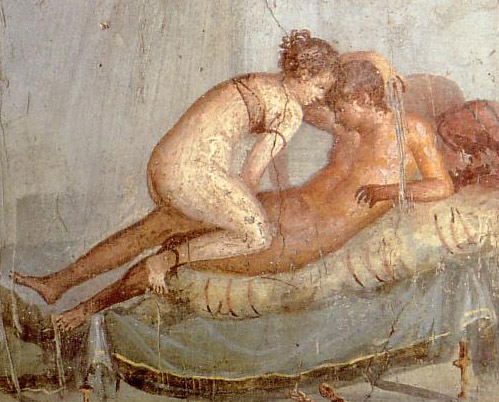
Artists of the late Roman Empire (300AD) also dabbled in erotic scene painting.
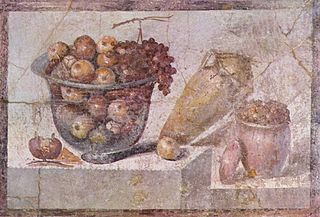
Roman artists had also produced “still life” paintings, but not in the similar quality of Greek ones.
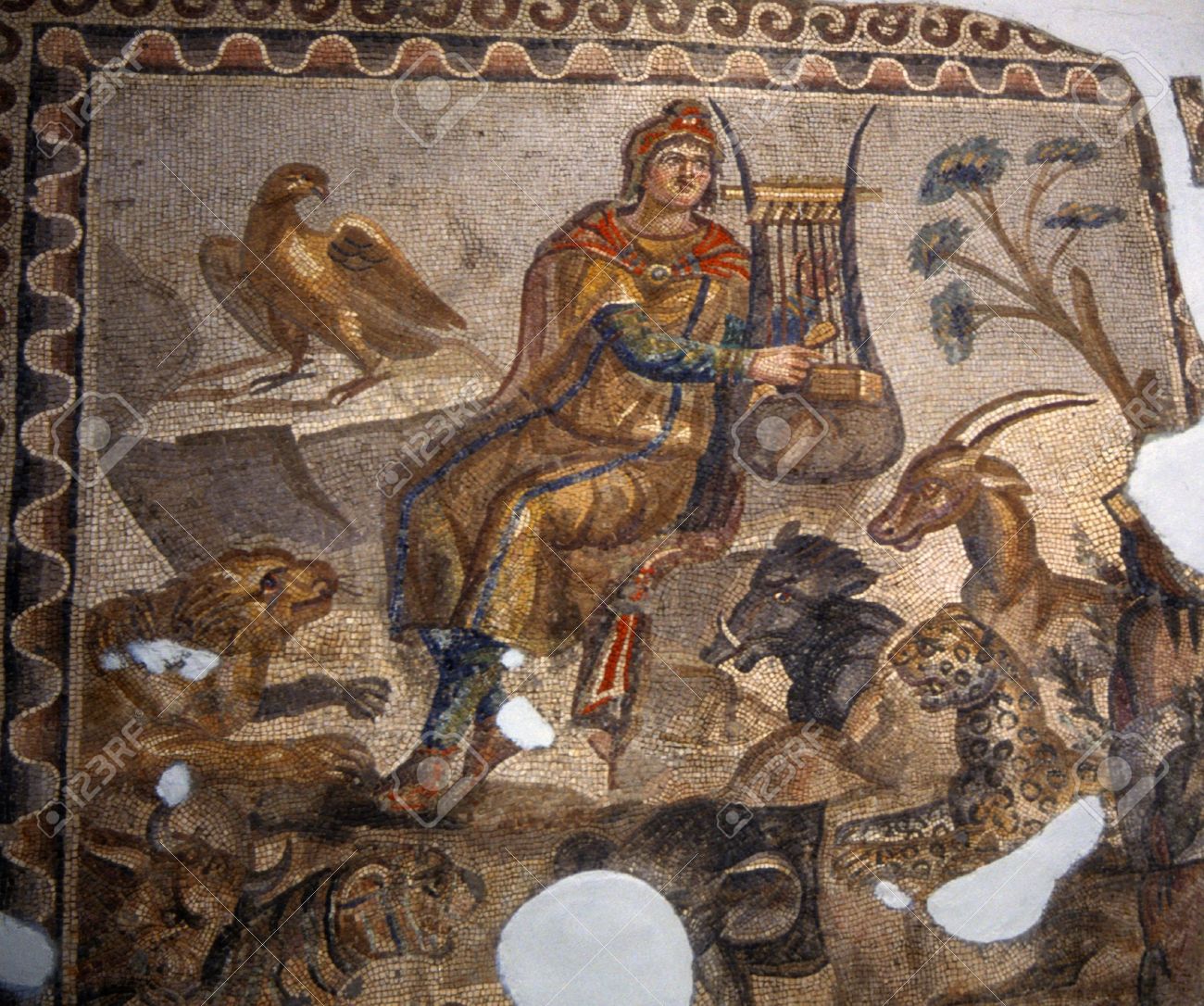
Mosaics (Roman art 2019), majority of roman mosaics were made during the late Roman Era of 350-500 CE, thus possessing a more Romanesque and Byzantine feel.
However there were earlier mosaics portraying Roman religion.
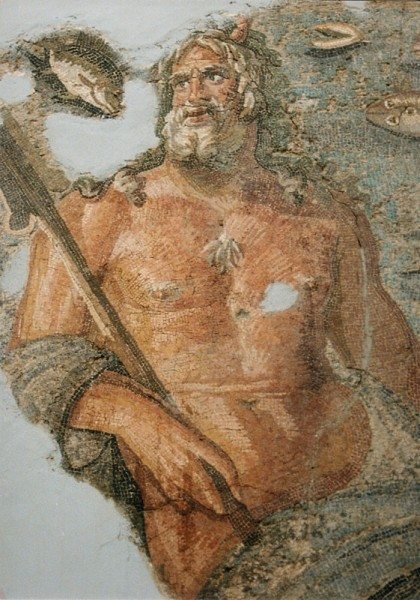
Mosaic of Poseidon, Roman-Greek god of the seas
Orpheus (Greek mythology 2019): A legendary musician of such skill that he could charm even beasts to his will.
28/5/2019 Day 1- We decided to utilize “Discord” as a form of group communication. Our first challenge occurred as a group decision- “What era are we doing again???” After considerable amount of debate, our decisions essentially led to this:
1.(Primary)Roman era, due to their historical significance within human civilization as well as its religious imagery.
2.(Backup) Gothic era, serves as a more evolved form of Roman beliefs and culture.
3.(The absolute failsafe) Egyptian era, for their abundance of usable material and exemplary artwork. However, this was not considered as our primary choice. The era would prove too uncreative due to its previous use by other students.
Greek influence on the artistic principles of the Roman Empire (27BC-476AD)
Roman art and took heavily after its predecessor, the Greek Empire. This portrays the high esteem Roman artists had for Greek and Egyptian artwork. These artworks manifested as portraits, paintings, ornamental designs, bronze casting, architecture, and sculpturing. With the latter 2 being considered most revered.
As seen, the Roman “Janus and Bellona” (left) share strikingly similar properties with the Greek bronze sculpture of Hermes (right). Such as the style of hair design and cloth physics. However, the Romans have also overwritten Greek principles of design. For example, the most notable example of difference in Roman and Greek physique design is the exaggeration of shoulder size, as seen in the 2 pictures.
In Laymen’s terms: Greek principles of design were more idealistic, while Romans were more realistic.




 History Of Art And Media